How much emergency fund do you actually need in Malaysia?
MoneyMama · 3 July 2026 · 5 min read
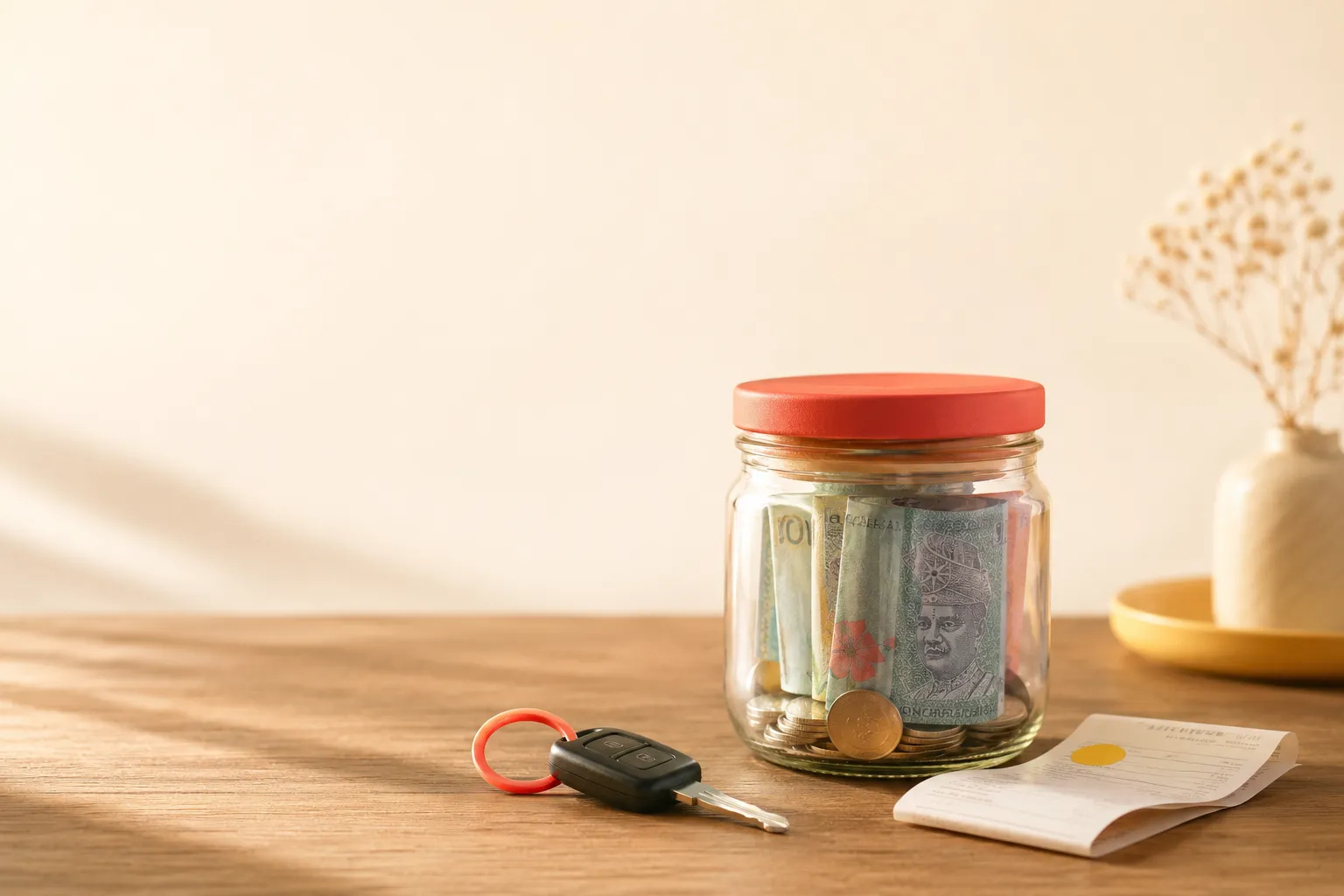
An emergency fund is not for looking rich. It is for not panicking when the car battery dies on a Monday morning, the clinic bill comes in higher than expected, or work suddenly gets shaky. It is the quiet difference between “annoying problem” and “swiping the credit card and starting a debt you’ll spend a year undoing.”
The trouble is the advice you usually hear, “save three to six months of expenses”, sounds enormous when you’re starting from zero. So let’s make it real, and properly sized to your life in Malaysia.
Here is the short answer. Aim for a starter buffer of RM1,000 to RM2,000 first, then build toward three to six months of your essential spending, not your whole lifestyle. Three months is enough if you have a stable salary and few dependents; lean toward six if your income is irregular or several people rely on it. The trick is to size it to your real essentials, which are usually far lower than what you normally spend.
Two funds, not one
The mistake most people make is treating the emergency fund as a single, intimidating mountain. It’s much easier as two steps, which is exactly how the 7-step Money-It-Right framework lays it out.
- The starter buffer: RM1,000 to RM2,000. This is your first goal, and it covers the small, common surprises: a tyre, a vet visit, a phone screen, a deductible. Most emergencies are actually this size, not life-altering. Hitting this number first gives you a real win early, and stops a minor mishap from becoming a card balance.
- The real buffer: 3 to 6 months of essentials. This is the bigger, sturdier net you build once the starter is done. It’s what carries you through the serious stuff (a retrenchment, a long illness, a stretch of slow freelance work) without your whole life unravelling.
You don’t build them at the same time. You get the starter buffer first, breathe, then grow toward the real one.
”Essentials” is not your whole life
Here’s the part that quietly changes the maths: a 6-month emergency fund means six months of essential spending, not six months of your normal lifestyle. In a real emergency, Netflix, dinners out, and the weekend getaways pause. What can’t pause is rent or mortgage, food, utilities, transport, insurance, loan repayments, and anything your kids or parents genuinely depend on.
That gap is often huge. Your “survival” number might be RM2,400 a month even though you usually spend RM3,800. Sizing your fund to the smaller, honest figure makes the whole target far less scary.
This is where tracking earns its keep. Most people don’t actually know their essential monthly number: they guess, and guess high. Because MoneyMama logs and sorts your spending straight from WhatsApp, it can show you what your real essentials come to, separated from the nice-to-haves. From there, the target is just simple multiplication.

🛟 Starter buffer: RM2,000
🏦 3 months: RM7,200
🏦 6 months: RM14,400
💡 You're single with low commitments, so 3 months is a solid goal. Want me to set aside RM300/month toward it?9:02 PM
How many months is right for you?
Three to six months is the range, but where you land inside it depends on how steady your income is and how many people lean on it. A rough guide:
- Stable salary, single, low commitments: aim for 3 months of essentials. Your income is predictable and you have fewer dependents, so a leaner net is fine.
- Married, with kids or a mortgage: aim for 4 to 6 months. More people depend on your income, and the costs that can’t pause are bigger, so the buffer should be too.
- Freelance, commission, or self-employed: aim for 6 months or more. Irregular income means a quiet month is a normal part of the job, not a true emergency, so your fund has to absorb the dips.
- Still carrying credit card debt: get the starter buffer first, then attack the debt. A card at 18% costs you more than a savings account pays, so once you have RM1,000–2,000 set aside for surprises, channel the rest at the balance. MoneyMama’s Get out of debt tool shows your real debt-free date so you know exactly what you’re racing toward.
These aren’t rigid rules. The bigger your fixed commitments and the shakier your income, the more months you want behind you.
Keep it boring, liquid, and out of sight
An emergency fund has one job: be there, in full, the moment you need it. That rules out anything clever. Don’t invest it in stocks, crypto, or anything that can be down 20% on the exact week your car dies, because emergencies don’t wait for the market to recover. A plain savings account, ideally one paying a little interest, is perfect.
Keep it separate from your everyday account, too. If you can see it, you’ll spend it, often without meaning to. A different account, even a different bank, adds just enough friction that the money survives. This is the same idea as the financial-resilience habits taught by AKPK, the agency set up by Bank Negara to help Malaysians build exactly this kind of cushion.
Start with one honest number
You don’t need the full six months by Friday. You need to know your real essential monthly figure, pick your target, and set aside a small, painless amount each month until you get there, letting MoneyMama nudge you along the way.
Say hi to MoneyMama on WhatsApp, tell her your monthly commitments, and ask: “How much emergency fund do I need?”, and let Mama size it to your real life, one month at a time.